


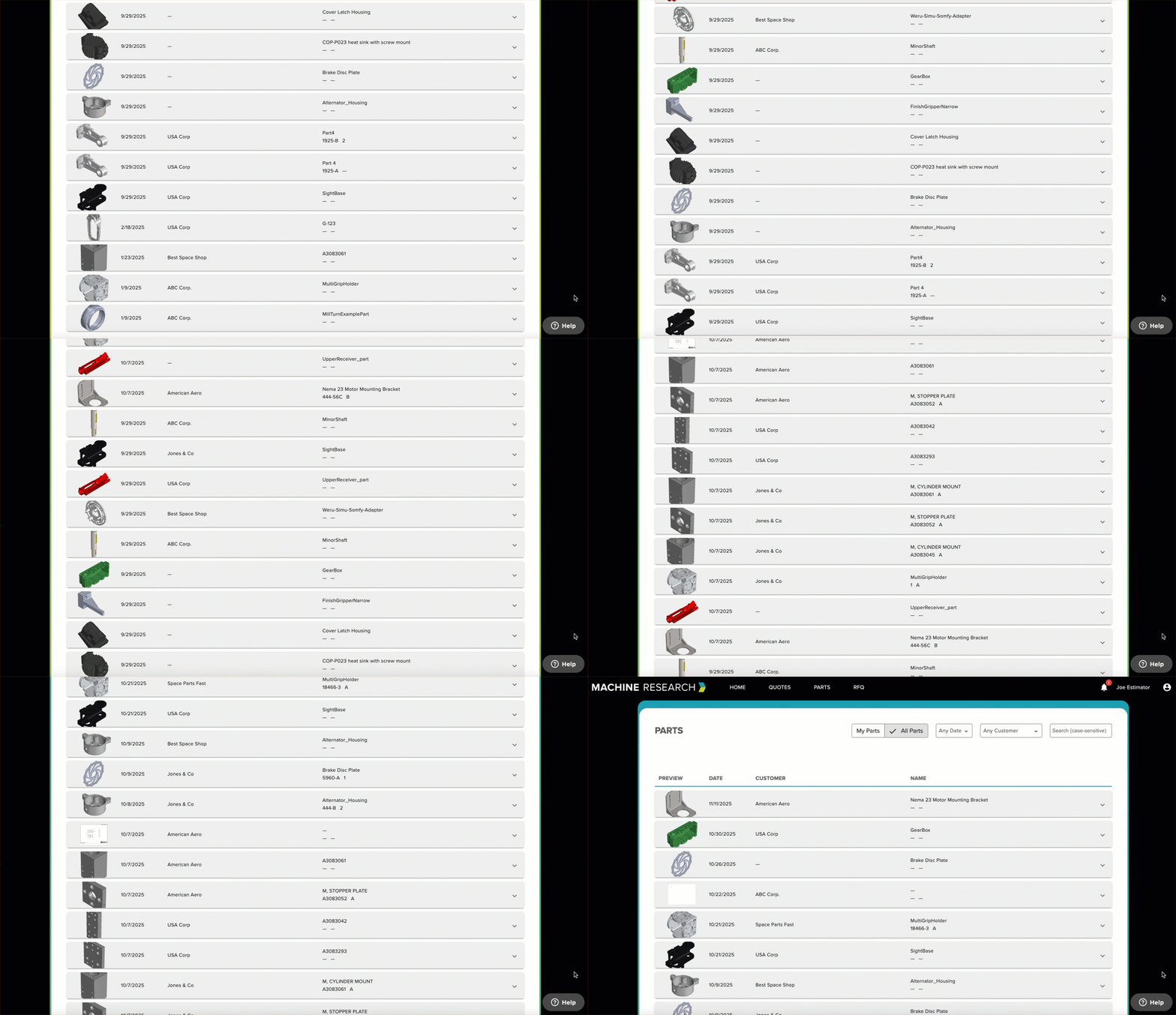
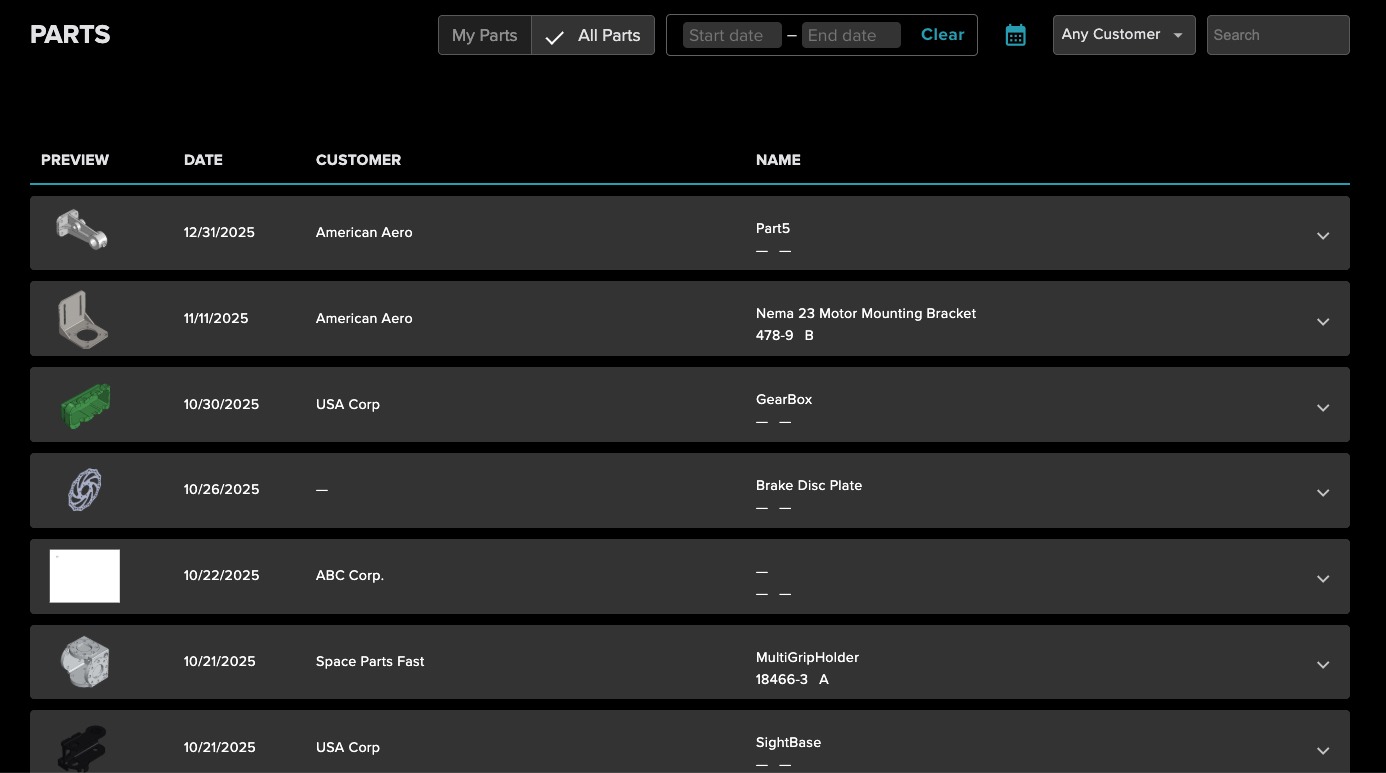
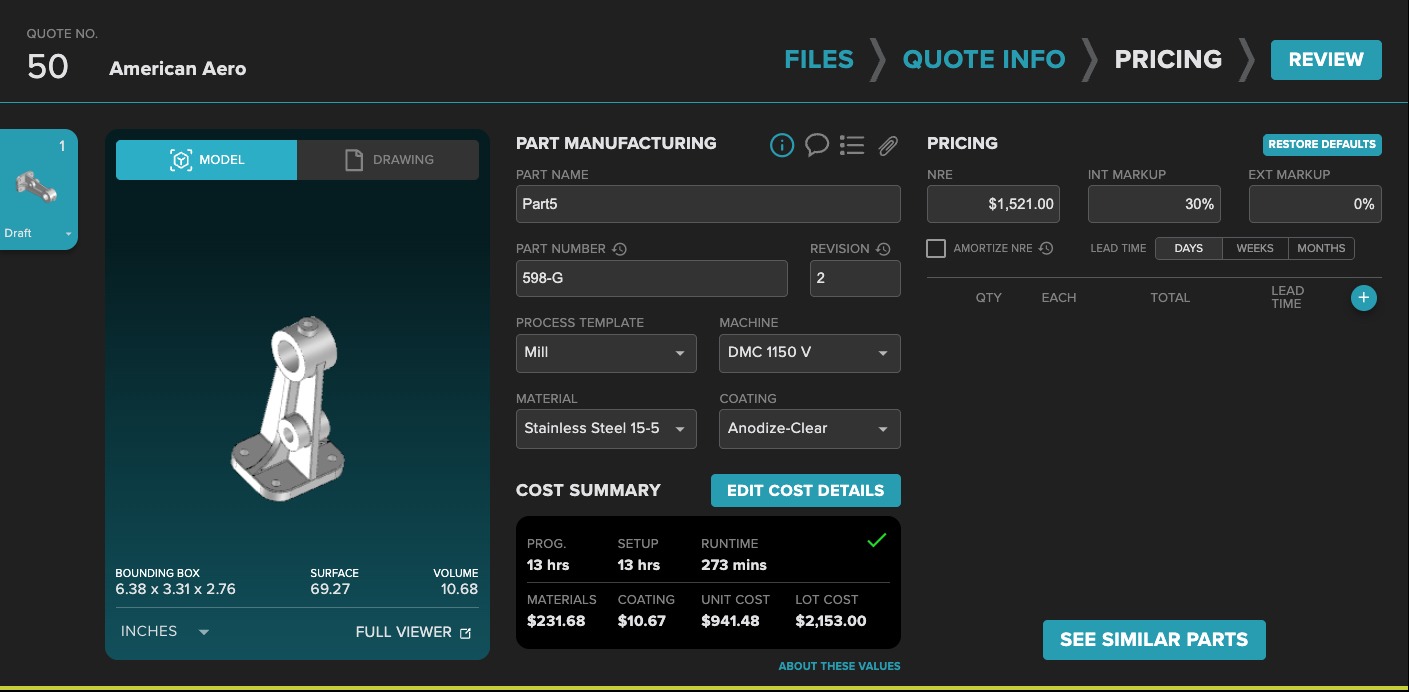
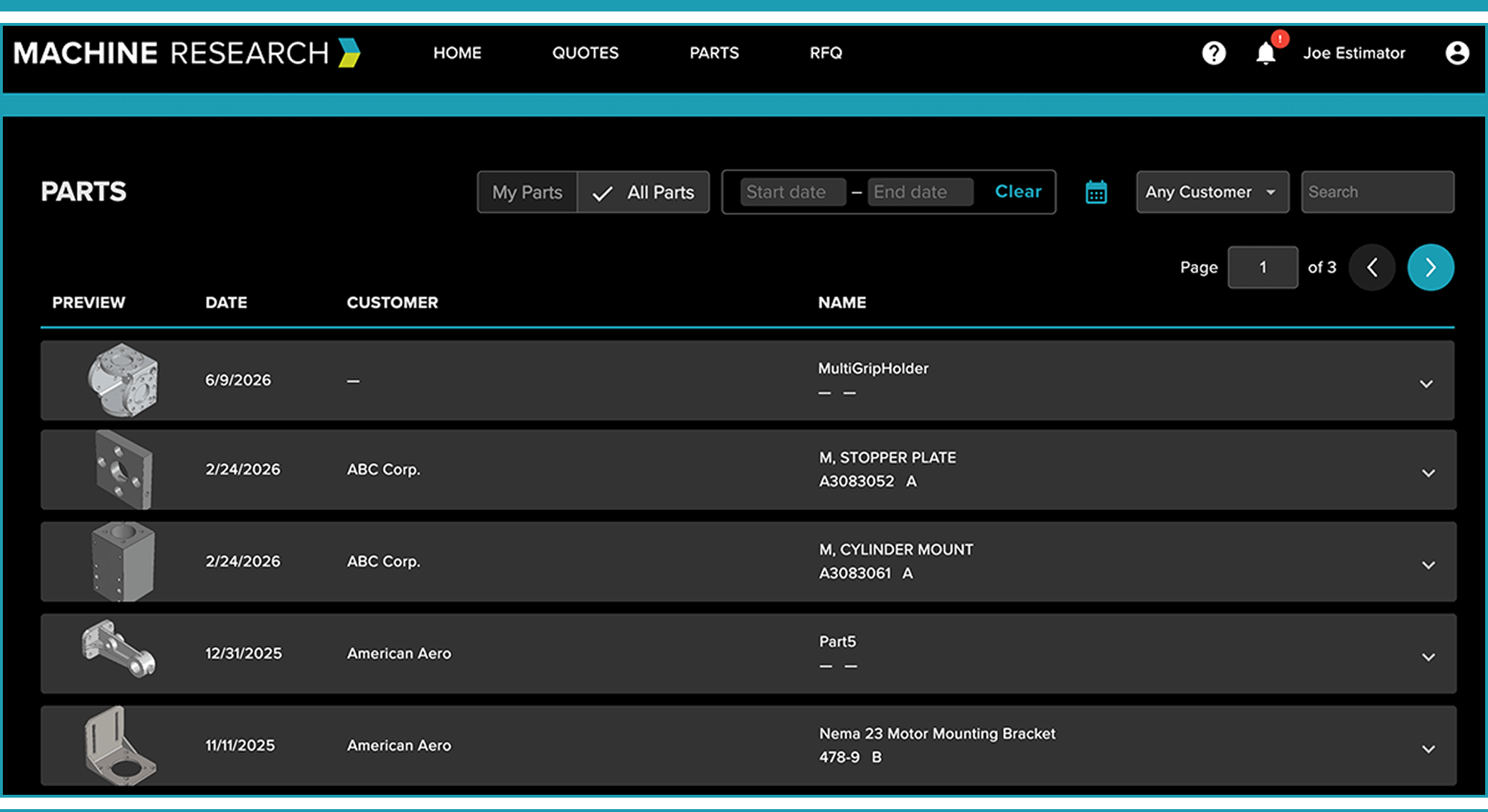
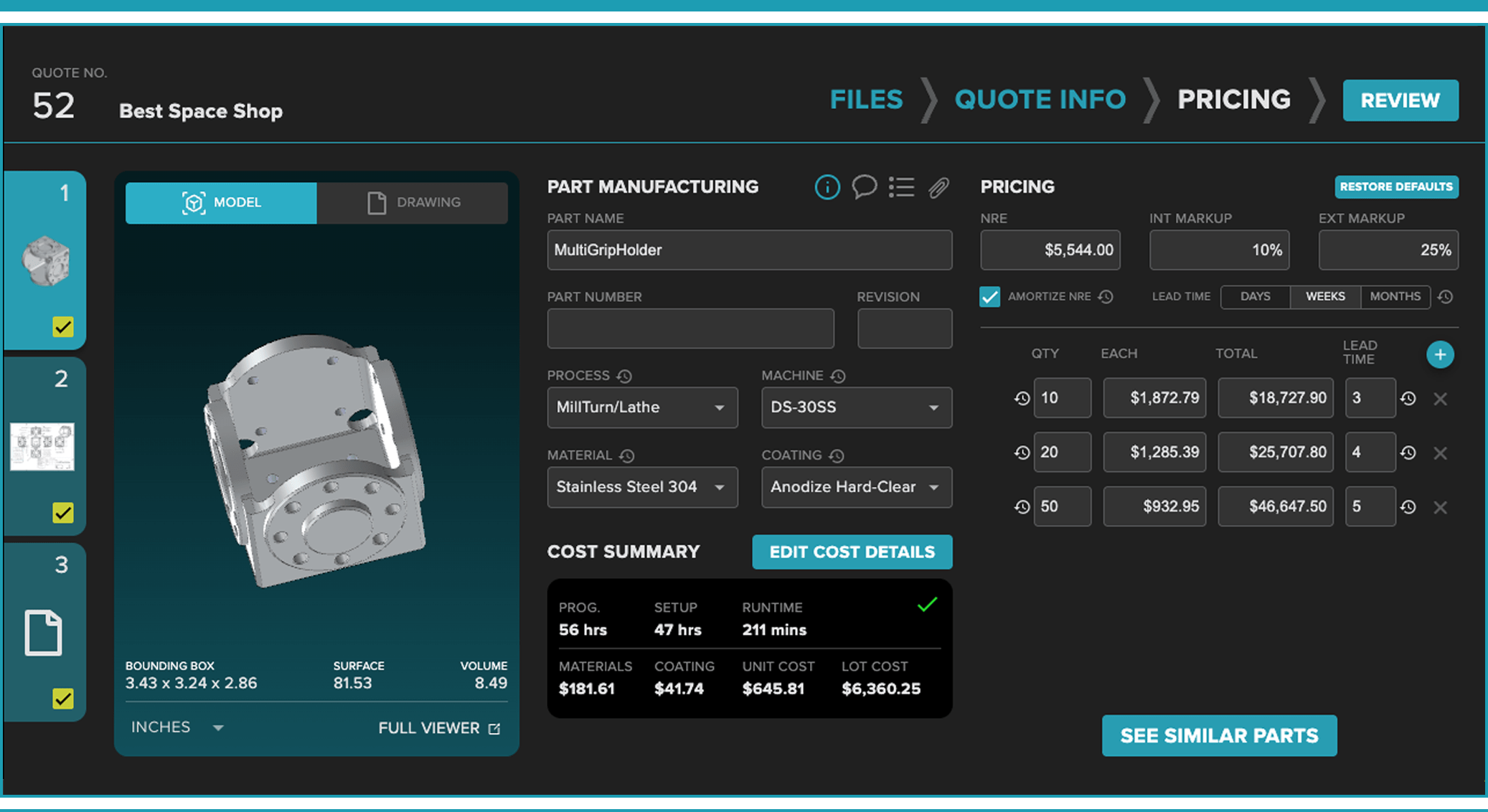
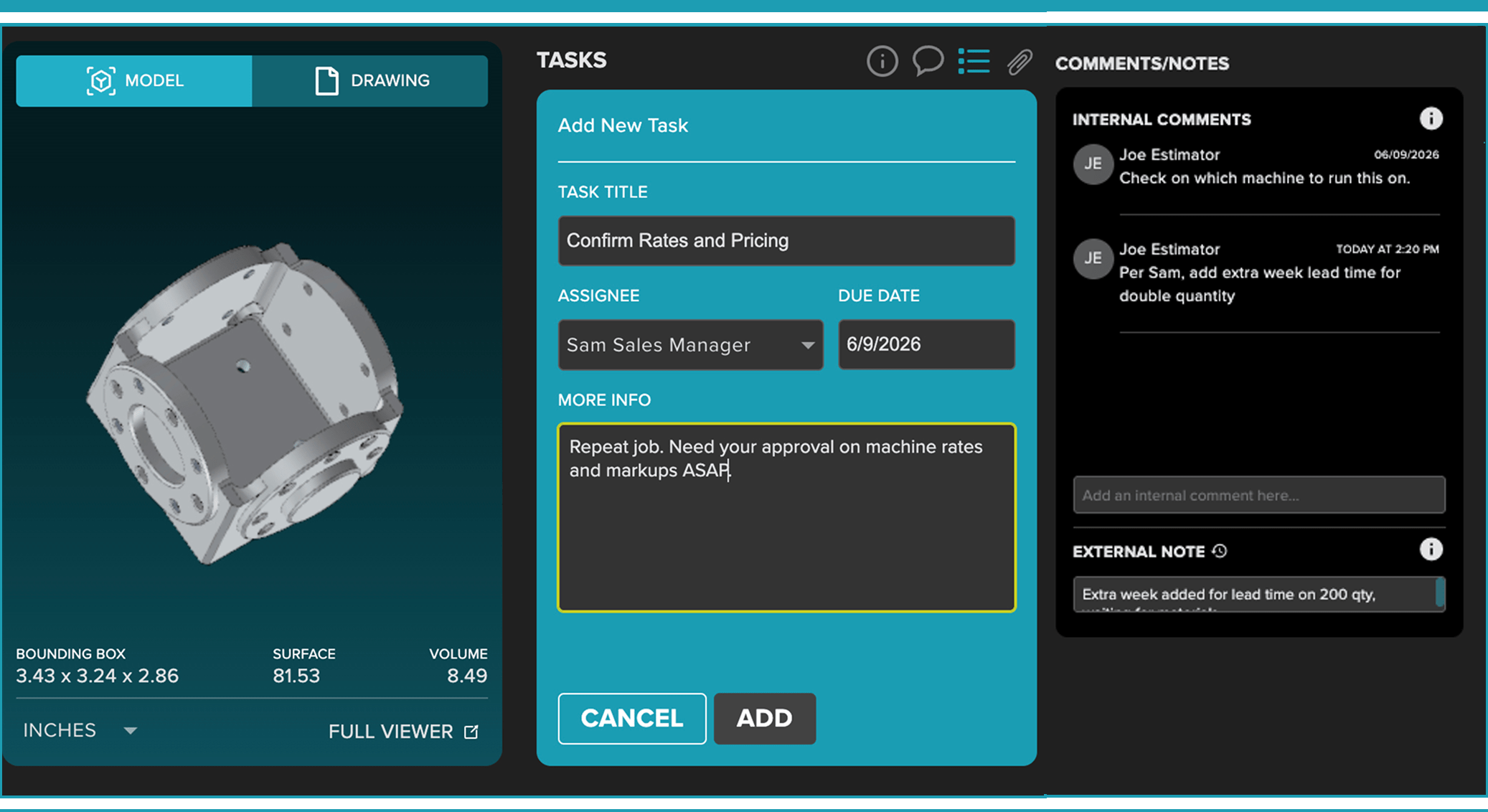
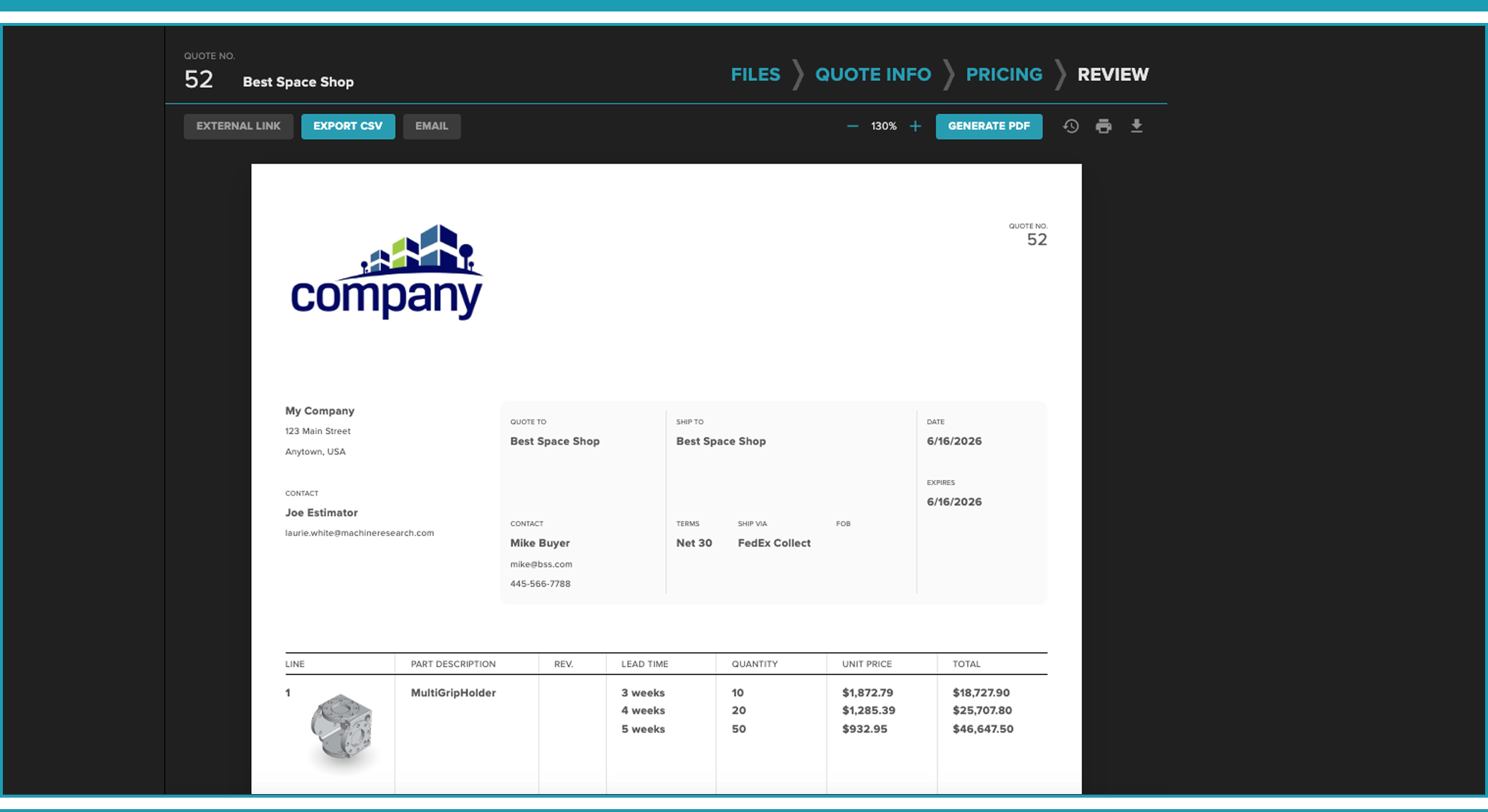
CAD models, drawings, PDFs, quotes, revisions, and customer communication — all stored together, tied to the part they belong to.
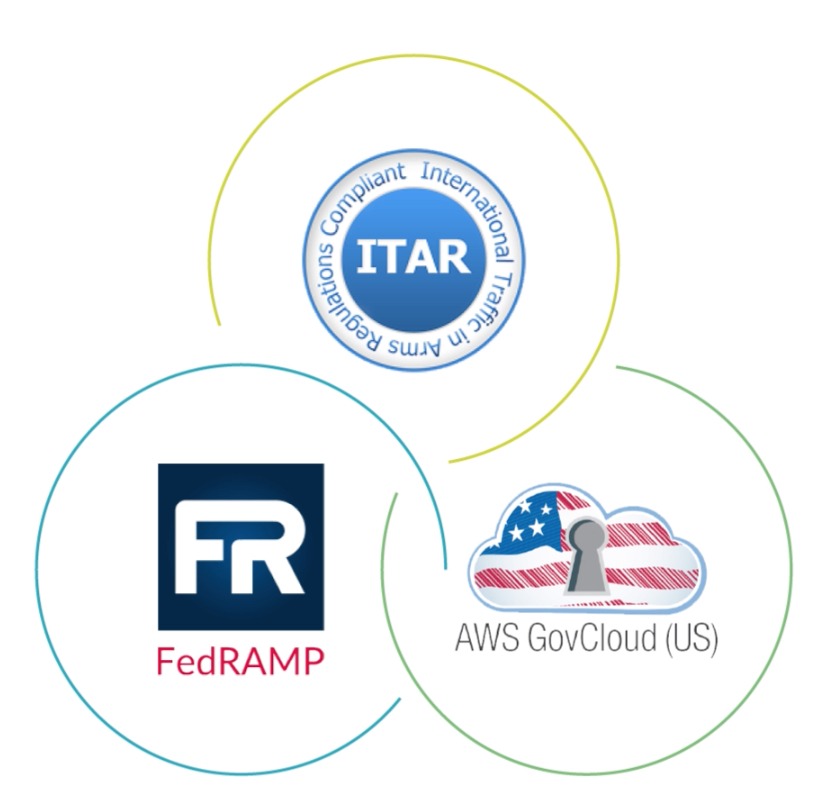
Role-based access, full audit logs, and encrypted storage in AWS GovCloud — keep sensitive part data protected and traceable.
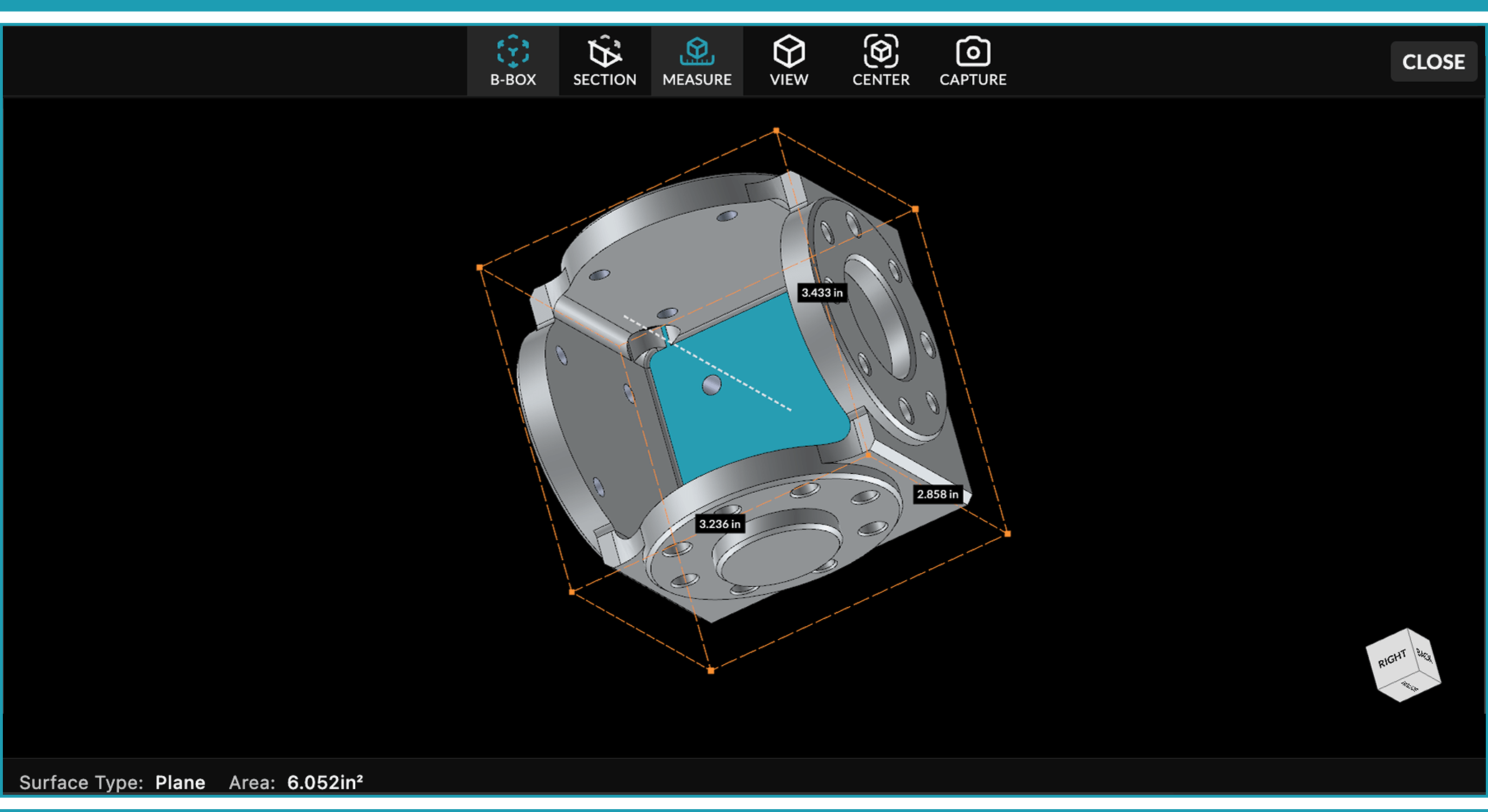
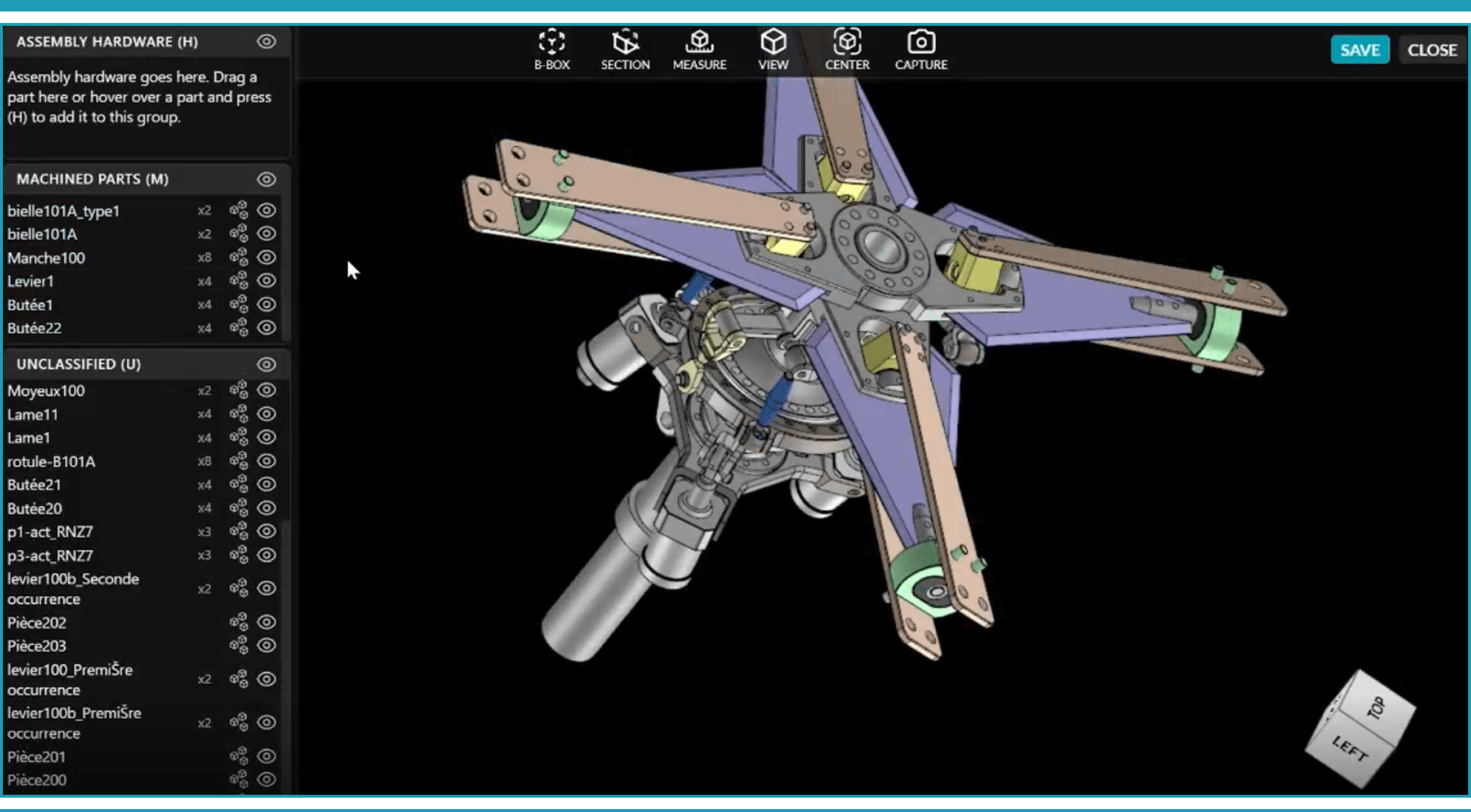
Upload CAD, PDFs, or drawing files individually or in batches — and see the actual 3D part in your browser, no CAD license required. Rotate, measure, section, and analyze geometry before your estimator writes a single number. Supports STEP, CATIA, X_T, SLDPRT, and 10 more file types.


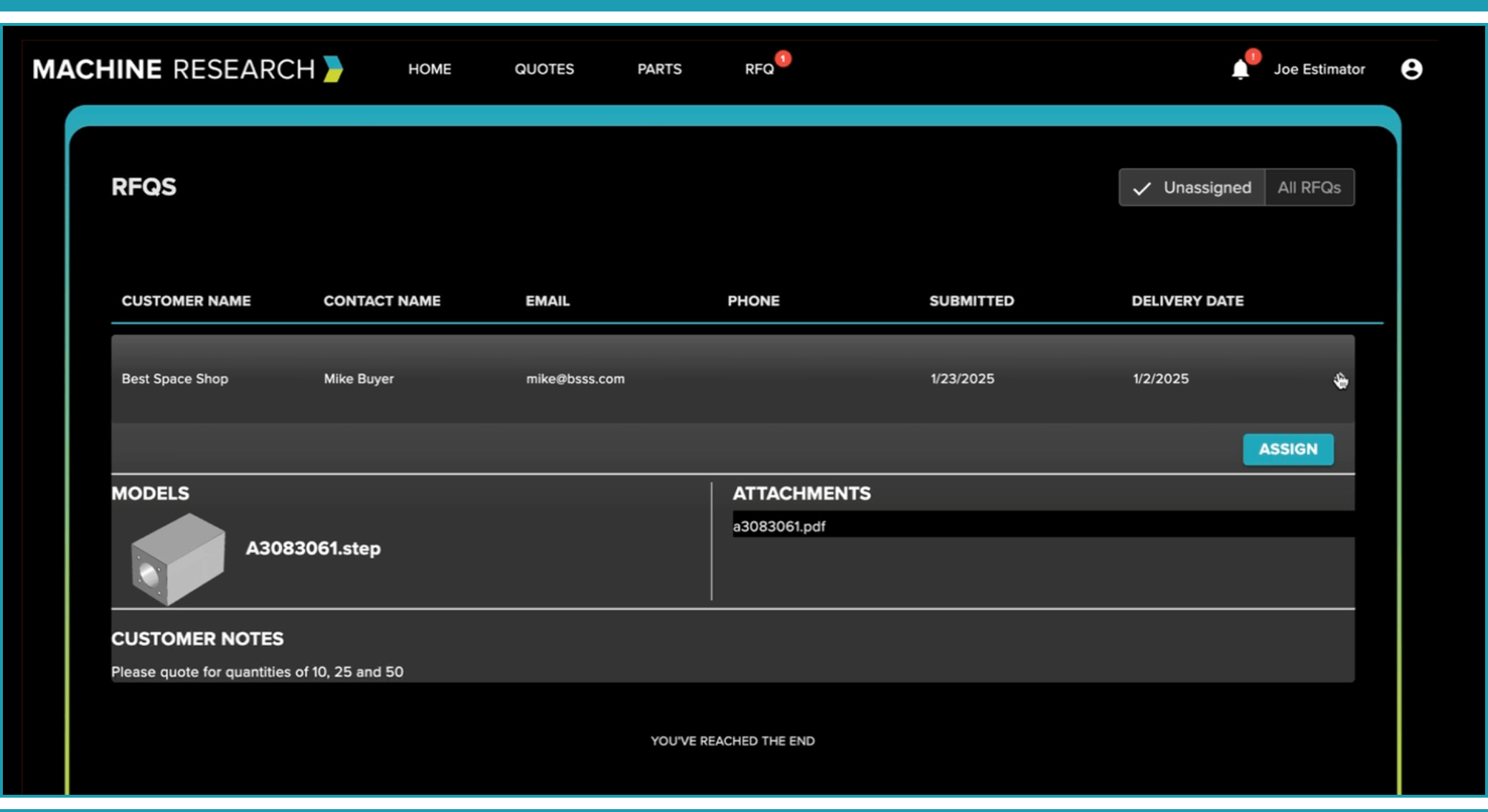
A centralized part library is a secure system that stores CAD files, prints, customer RFQs, estimates, quotes, and related communications in one organized location. Instead of relying on shared drives, email threads, or disconnected systems, machine shops can access every part file and its full history — including pricing and customer instructions — from one connected platform.
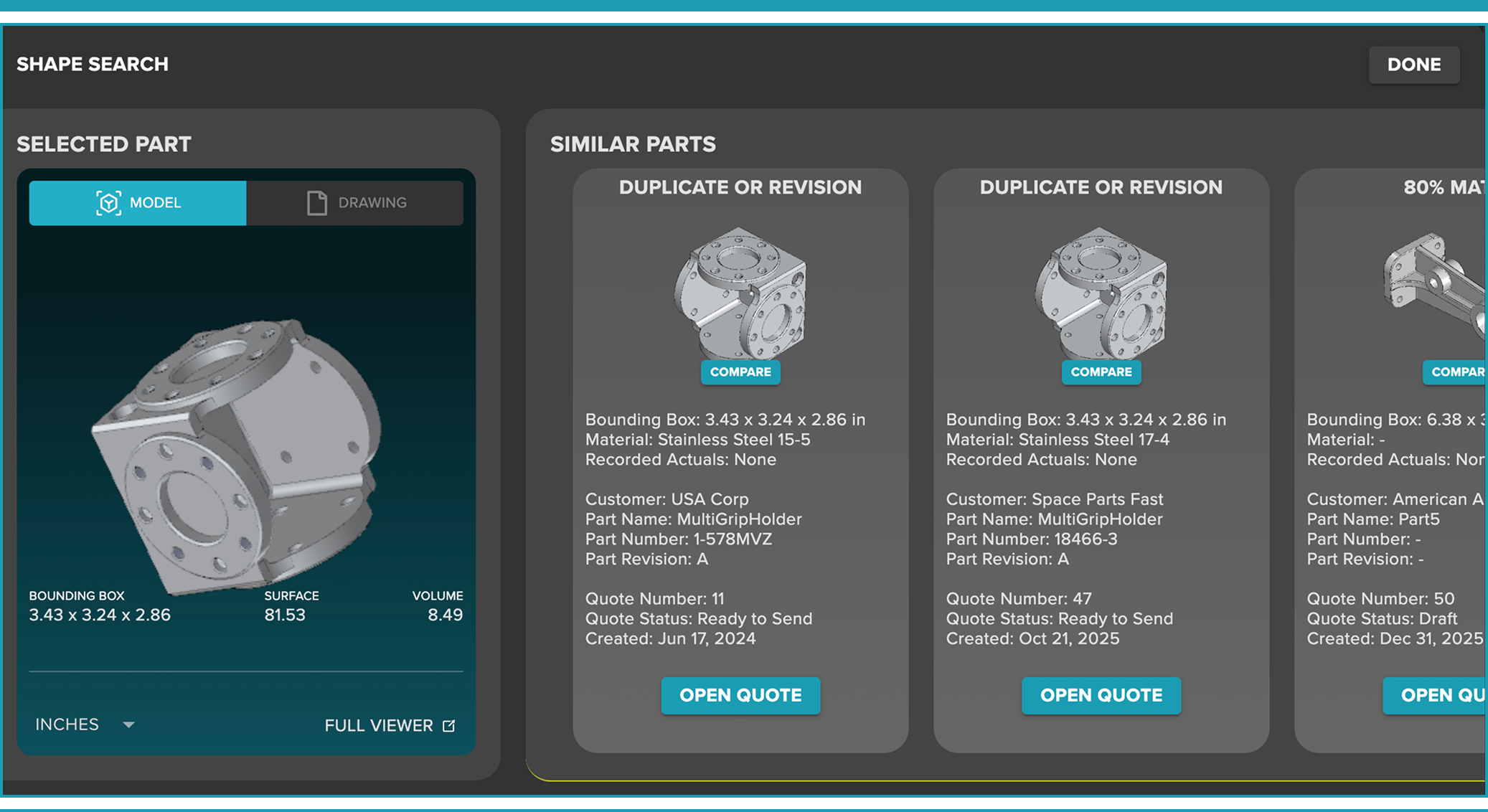
When CAD files, past estimates, customer RFQs, and internal notes are stored together, your team eliminates version confusion and wasted time searching for information. Estimators can instantly see previous pricing, customer specifications, and attachments — leading to faster turnaround and fewer costly mistakes.
Modern machine shops use encrypted, cloud-based software with role-based access controls instead of shared drives or unsecured email attachments. A centralized system keeps part files, quotes, and customer communications protected while allowing authorized team members to collaborate safely.
Yes. Machine Research is built on secure, U.S.-based infrastructure with encryption and access controls designed to support shops maintaining ITAR registration and CMMC 2.0 Level 2 compliance. Security is built into the platform — not treated as an add-on.
Yes. Estimators, engineers, programmers, and sales teams can securely access the same part data, quotes, RFQs, and related notes — eliminating back-and-forth emails and ensuring everyone works from the same information.
In most cases, yes. Secure cloud platforms provide encryption, controlled access, continuous monitoring, and infrastructure that often exceeds what small and mid-sized shops can maintain internally. It reduces the risks associated with shared drives, local hardware failures, and unsecured email.